
The evolution of gambling A historical overview of games of chance
Origins of Gambling in Ancient Civilizations
The practice of gambling dates back thousands of years, with roots traced to ancient civilizations such as Mesopotamia, Egypt, and China. Archaeological evidence suggests that dice made from animal bones were used in these regions as early as 3000 BC. In ancient China, the earliest forms of gambling involved betting on the outcomes of games and events, demonstrating that the concept of chance and risk was already embedded in human culture. These early games of chance were often intertwined with religious and social practices, reflecting the significance of luck in everyday life. Today, you can explore modern platforms like https://auwin88-australia.com/ for a variety of gambling experiences.
The Egyptians are known to have engaged in various forms of gambling, including board games where players placed wagers on the outcomes. The Royal Game of Ur, for instance, showcased both strategy and chance, making it a popular pastime among the elite. These ancient practices laid the groundwork for modern gambling, highlighting the human attraction to games of risk and reward, which continues to evolve today.
As societies grew more complex, so did the games of chance. In Rome, for instance, gambling was a popular activity among the citizens, from the wealthy elite to commoners. The Romans played various forms of dice games and betting, often risking their fortunes on the outcome of gladiatorial combats and chariot races. This historical context illustrates how gambling has been an integral part of human social structures, reflecting broader themes of chance, competition, and community.
The Middle Ages and the Rise of Card Games
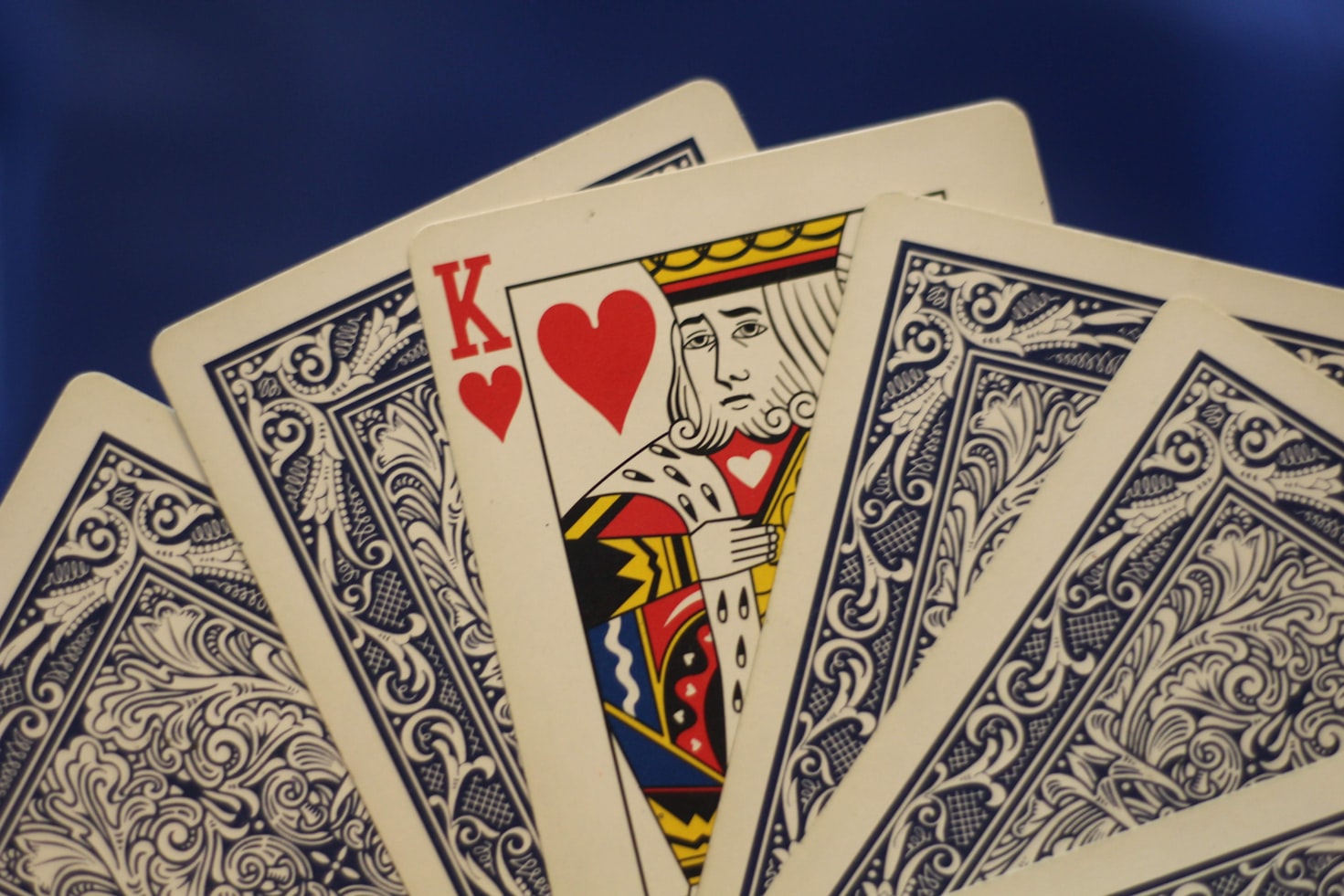
The Middle Ages saw a significant evolution in gambling, particularly with the introduction of card games, which originated in China and made their way to Europe through trade routes. By the 14th century, playing cards had become widely popular across Europe, leading to the development of various gambling games. These card games included early versions of poker and blackjack, which are still widely enjoyed today. The rise of card games marked a shift from purely chance-based activities to games requiring skill and strategy, changing the dynamics of gambling.
During this period, gambling also faced scrutiny from religious institutions. Various churches condemned gambling, associating it with moral decay and vice. Despite this, gambling continued to flourish clandestinely. As regulations tightened, underground gambling emerged, reflecting the ongoing conflict between societal norms and the human inclination towards risk and reward.
The impact of the Renaissance further propelled the popularity of gambling, as the era encouraged leisure and entertainment. The establishment of formal gambling houses and the first state-run lotteries marked a turning point in the gambling landscape. These developments not only provided entertainment but also became sources of revenue for governments, illustrating how gambling could serve both individual and societal interests.
The Age of Enlightenment and Gambling Reform
The Age of Enlightenment brought about significant changes in the perception and regulation of gambling. As societies began to embrace reason and science, there was a push for the regulation of gambling activities to curb the excesses seen during the previous centuries. Governments started to realize the economic potential of legalized gambling, leading to the establishment of regulated gambling houses and casinos. This marked a pivotal moment in the history of gambling, as it transitioned from an underground activity to a legitimate part of society.
During this time, the concept of fairness and chance in gambling became more pronounced. The introduction of standardized playing cards and game rules laid the groundwork for modern gambling practices. The establishment of games like roulette and baccarat in the early 18th century further showcased the evolution of gambling, combining chance with elements of strategy and skill. These games became central to the casino culture, attracting a wide range of players and solidifying gambling’s place in society.
As gambling became more widely accepted, social attitudes began to shift. The emergence of literature and art centered around gambling, including works by authors like Fyodor Dostoevsky, reflected both the allure and dangers of this activity. This nuanced portrayal contributed to a broader discourse on the morality of gambling, paving the way for further reforms and the eventual emergence of responsible gambling initiatives.
The Modern Era and Technological Advancements
The modern era has witnessed unprecedented transformations in the gambling landscape, primarily driven by advancements in technology. The 20th century saw the rise of casinos in Las Vegas and Atlantic City, which became cultural icons representing the glitz and glamour of gambling. This period also marked the introduction of slot machines, which quickly became a staple of casinos due to their simplicity and the allure of large jackpots. This evolution significantly changed the way people engaged with gambling, making it more accessible and appealing to a broader audience.
The advent of the internet in the late 20th century revolutionized gambling once again. Online casinos emerged, offering a vast array of games and the convenience of betting from home. This shift not only expanded the reach of gambling but also changed the dynamics of player interaction and game design. With the introduction of live dealer games and mobile gaming, players can now enjoy the thrill of gambling anytime and anywhere, further integrating it into daily life.
Today, the gambling industry continues to innovate with the incorporation of virtual reality and blockchain technology. These advancements promise to enhance user experiences, offering more immersive and secure platforms for gambling. Moreover, growing discussions around responsible gambling and addiction have led to initiatives aimed at promoting safe gaming practices, reflecting a more conscientious approach to this enduring pastime.

Gaming Online: A New Frontier for Gamblers
As we look towards the future, online gambling platforms like auwin88 represent the latest evolution in the gambling journey. Tailored for the modern player, these platforms offer a diverse library of games, from classic slots to live dealer options. With over 3,000 games available, players are provided with an extensive selection that caters to various tastes and preferences. The convenience of playing from anywhere at any time has reshaped how individuals engage with gambling, making it more accessible than ever.
In addition to the vast array of games, auwin88 emphasizes a user-friendly experience with seamless banking options and swift payouts. Secure payment methods, including PayID and cryptocurrency, enhance the overall player experience, ensuring that safety and efficiency are at the forefront of online gambling. The introduction of generous bonuses, such as a 100% welcome bonus and free spins, further incentivizes players to explore and enjoy the platform.
Moreover, the commitment to 24/7 customer support highlights the importance of user satisfaction in today’s competitive online gambling market. As players navigate this new digital landscape, having reliable support can significantly enhance their gaming experience. Ultimately, platforms like auwin88 not only reflect the historical evolution of gambling but also embody the future of this age-old pastime, merging tradition with modern technology for an engaging and responsible gaming environment.